The iconic cartoon happy face, with its simple yet robust design, is more than just a ubiquitous symbol of joy; it's an essential component of the visual language we all speak. Born from a need to convey positive emotions in a universally understood manner, this simple smiley has come a long way since its inception in the late 20th century.
basa study conducted by the University of Vienna found that people from diverse cultural backgrounds could comprehend and respond appropriately to the cartoon happy face, showcasing its universal appeal and effectiveness as a communication tool.
The Evolution of the Cartoon Happy Face
The journey of the cartoon happy face is as engaging as any comic strip adventure, tracing back to the early days of digital communication. Its first known appearance in a digital format was on September 19, 1982, in a message sent by Scott Fahlman on the CAR-RROLL Gracenet forum at Carnegie Mellon University.


Initially used to distinguish serious posts from jokes, the humble ':-)' has since morphed into countless forms, each catering to different cultures, platforms, and purposes. We've seen the full face range, from the simple smiley to the winking happy face, the roaring happy face, and even the tacitly censorious happy face with crossed-out eyes.
Emotional Depth: Beyond Just Happy
The cartoon happy face's emotional bandwidth has expanded with time, now capable of conveying excitement, expectation, and even mockery. The upbeat ':-D' indicates laughter, the provocative ':-P' sticking out its tongue, while the crestfallen ':(' signals sadness. It's become a true language in itself, reflecting the hues of human emotion.


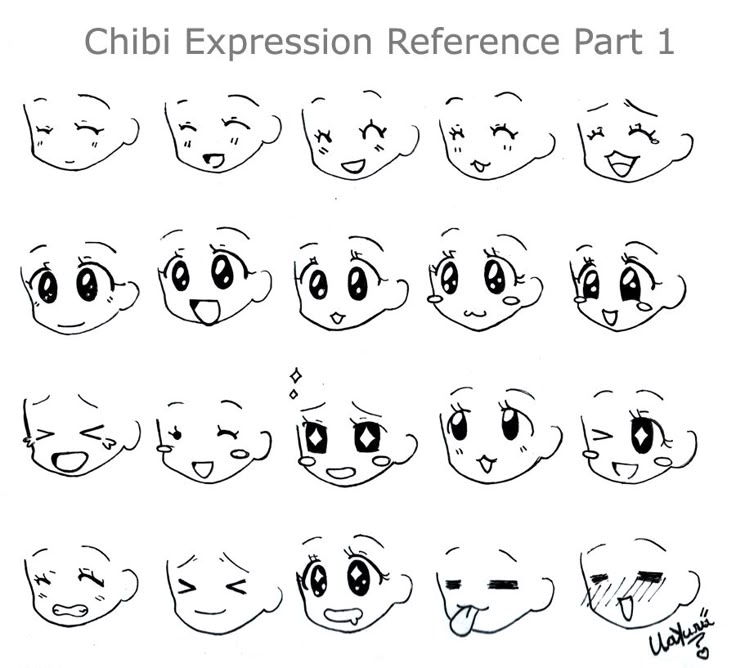
The symbol of social media likes, the happy face heart, ':-)' or '❤' has created an entire economy of validation and appreciation. A single 'heart' can boost morale, inspire creativity, and breed engagement, making it a powerful tool in today's digital world.
The Happy Face's Role in Mental Health
Psychologists have also recognized the power of the cartoon happy face in promoting mental health. Simply seeing a smiling face can induce feel-good hormones, an effect known as 'mood contagion.' Smilies can help bridge online communication gaps, making interactions warmer and more personal.
A study by Krasnoperov et al. (2017) found that using emoticons in online communication enhanced emotional support, making conversations feel less cold and more organized. Thus, the simple happy face has become a beacon of emotional warmth in our digital homes.


The Other Side of the Coin
While the cartoon happy face is a beloved figure, it's not without its criticisms. Some argue that it's overused and trivializes genuine feelings. Others worry that it stifles creativity by providing a one-size-fits-all solution for expressing emotion.
Moreover, cultural variations in understanding emoticons pose a challenge. What might seem happy in one culture could be considered rude or even obscene in another. Thus, while the happy face aims at universality, it's not universally understood, and potential nuances must be navigated carefully.
S доне in Multicultural Contexts
Language barriers aside, the happy face's appropriateness varies across cultures. Norms of public display of emotions differ widely, and what might be acceptable in one culture could be considered unprofessional or childish in another. Hence, using happy faces indiscriminately could unintentionally offend or appear naive.


Take the Japanese 'haha' - a simple yet complex emoticon that ranges from happiness to pride, or the South Korean 'jebi' emoticon, its upward Zeus-like mustache demonstrating humility and respect. Each has a deep cultural rootedness that's hard to grasp without understanding the cultural context.
The Impact ofHappy Faces on Communication
Despite its detractors, happy faces have undeniably enriched our communication landscape. They serve as icebreakers, overcome language barriers, and provide a quick visual shorthand for complex emotions. Without them, we might've lost a chunk of our digital selves to the stiff, humorless, and excessively formal tone that could've dominated our digital conversations.
Whether we love them or find them annoying, happy faces are here to stay. They've become as integral to digital communication as the keyboard itself, evolving with us and reflecting our ever-changing culture. So, the next time you're tempted to use a happy face, remember that you're tapping into a rich digital legacy, a universal language of joy.