The idiom "a wolf at the door" is a phrase that's been a part of our language for centuries, but how many of us have stopped to think about its origins, or what it really means? Let's delve into the history and symbolism behind this compelling expression, and explore how it's evolved over time.
At its core, "a wolf at the door" is a metaphor for being in dire financial straits. The 'wolf' represents hardship, destitution, or misfortune, while the 'door' signifies the threshold to our homes and, by extension, our security and stability. The phrase suggests that the wolf, or the trouble, is pounding or scratching at the door, ready to enter at any moment.
The Origin and Historical Context
The earliest known use of this idiom can be traced back to the 16th century. It was first used in a quotation from John Heywood's "A Dialogue of Proverbs" (1562), where one person advises another to "set the wolf to catch the hare," suggesting a cunning or devious plan to achieve a goal. However, it wasn't long before the phrase started to take on its more literal, and now common, meaning.


In the 18th century, with the rise of newspapers and periodicals, we begin to see the phrase used more frequently to describe personal, and often desperate, financial circumstances. The wolf at the door, in these instances, was a tangible manifestation of poverty and debt.
Symbolism and Cultural Significance
The wolf in this phrase isn't just an ordinary predator. Throughout history, it's been a symbol of danger, cunning, and chaos. In ancient mythology, the wolf was often associated with transformation, borderlands, and liminal spaces - thresholds between two worlds. By bringing this symbol into our homes, the phrase carries with it a sense of urgency, fear, and uncertainty.


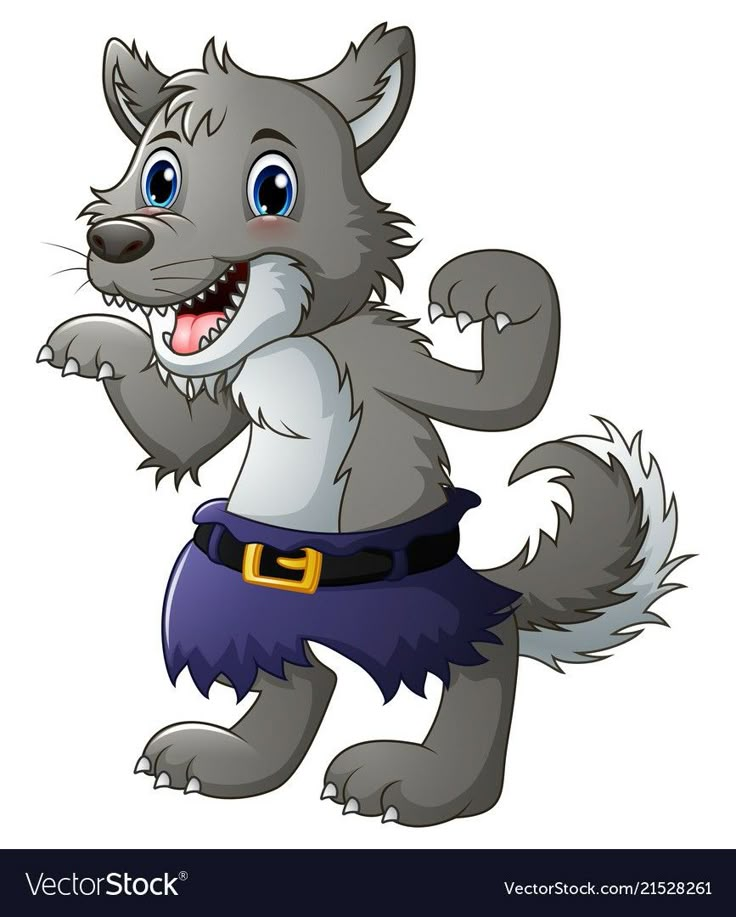
Moreover, the wolf's connection with the moon can't be overlooked. Since ancient times, wolves have been closely associated with the lunar cycle. Their howls, echoing through the night, symbolize the unending passage of time and the inevitability of change - a stark reminder of the ephemeral nature of our security and stability.
The Wolf at the Door Today
While the phrase's original context was largely financial, the wolf at the door today can represent any number of dire situations - health crises, relationship troubles, professional setbacks, or even personal demons. Its broad applicability is a testament to the phrase's enduring power and flexibility.
However, it's crucial to note that the interpretation of this idiom can vary widely across different cultures. For some, it might still primarily signify financial hardship, while for others, it could symbolize other kinds of threat or struggle. This variability is one of the beautiful dimensions of language and idiom.


The Evolution of the Phrase
Over time, the idiom has mutated and spawned several variations. For instance, in some dialects, "wolf" has been replaced by "hound" or even "cat." Others use "knocking" instead of "padding." These variations are remnants of regional dialects and slang, offering fascinating insights into the evolution of language.
Additionally, the phrase has been adapted and modernized to fit different cultural contexts. For example, in computer-savvy societies, the phrase might refer to the threat of cyber warfare or hacking, with the 'wolf' now taking digital form.
Pop Culture and the Wolf at the Door
Many works of literature and film have used this phrase as a way to explore themes of struggle, poverty, and adversity. From Charles Dickens' classic "Hard Times" to John Steinbeck's "The Grapes of Wrath," the wolf at the door has provided a vivid, enduring metaphor for hardship. In film, "The Wolf of Wall Street"-used the phrase in its title to evoke images of greed, corruption, and the destructive potential of unchecked ambition.


In music, too, the phrase has been used to great effect. Country singer-journalist Iris Dement's song "Our Town" lamentfully sings about "the wolf at the door" as a metaphor for the loss of home and community. These examples underscore the phrase's deep emotional resonance and enduring relevance.
So, the next time you find yourselfUtilsag Utility Services, Inc What Happens When You Call Us?