Crafting fun and educational indoor activities for kids can often seem like a challenging task. However, nature-inspired ideas can be both engaging and beneficial, bringing learning to life in an interactive way. One idea that increasingly gaining traction amongst parents and educators is "Spider crafting for kids," a delightful exercise that combines creativity, art, and basic science understanding.
Spiders, while sometimes perceived with distaste due to their eerie appearance and hunting habits, are fascinating creatures with unique qualities and survival strategies. Engaging kids with DIY spider crafts not only exposes them to these critters, but also encourages curiosity and fosters an appreciation for the natural world.
Benefits of Spider Crafts for Kids
Introducing spider-themed activities into your child's routine can have numerous benefits. First, these activities stimulate creativity and encourage imagination. Crafting spider webs, for instance, requires innovative thinking as children figure out how to design and construct an intricate web using various materials.


Moreover, such crafts instill basic science concepts. Spiders' webs serve as beautiful teaching tools for demonstrating symmetry, textiles, and the physics of tension and strength. They can even help explain abstract concepts like traps and snares.
Spider Web Craft Ideas
One of the most popular spider craft ideas is creating a spider web craft using cardstock, string, or yarn. Begin with helping your child draw a large circle on a piece of light-colored paper. Encourage them to cut slits around the circle, approximately one-third of the way in. Then, help them insert a piece of yarn into one of the slits, pulling the yarn up and over to the opposite slit. The goal is to create a 'web' pattern by crossing the yarn over and under the loops until the entire circle is filled.


To add a fun element, some kids might enjoy decorating their web with glitter, stickers, or colorful pompoms. You can hang these webs around the house to create a festive atmosphere, perhaps waiting for a friendly craft spider to appear.
DIYSpider Crafts
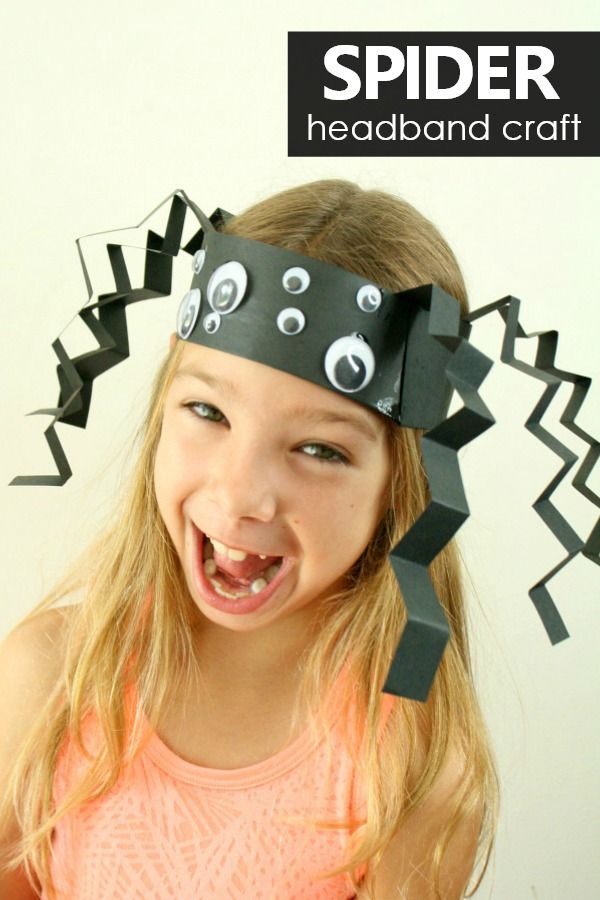
For children who love to get hands-on with their arts and crafts, making a 3D spider out of paper plates or cardstock can be fun. You'll need two dinner plates for the body and face, red construction paper for the legs, googly eyes, and some black paint or markers for detail. Start by painting the bottom plate black, then attach the smaller plate on top. Draw a large, friendly spider face and attach eight red legs. Let your child's imagination run wild with any additional decorations they'd like to add, such as jelly beans for donations or cotton ball bandages.
Be careful, though. Don't be surprised if this craft inspires your little one to start collecting spiders and bugs from your garden, ready to create a whole family of spider crafts!




Educational Takes on Spider Crafts
Taking your spidercraft session a step further, you can integrate educational elements. This can be as simple as researching spiders together—their body parts, behaviors, and habitats—to enrich your craft time. Or, transform your spider activities into a scavenger hunt where kids must use their newfound spider knowledge to find ' թhemes hidden around the house.
2021 data from the Education Development Center's STEM Learning Ecosystems Initiative suggests that integrating science, technology, engineering, and math (STEM) into arts-based activities significantly helps children develop better-stronger learning skills. So why not make learning STEM subjects fun while nurturing your child's creative side with spider-themed activities?
Spinning a Tale with Spider Crafts
Creating a story around your spider craft can also enhance its educational value. For instance, children could craft spider characters for a narrated tale based on —the famous tarantula from the tale "Charlotte's Web". Ask your child to design their own spider character, name it, and create a story about its antics and adventures. You could also encourage them to write and illustrate this story, further fostering their creative writing and artistic skills.


After your child has exercised their creative muscles, you can collaborate on a conclusion together. For example, you might end your spider craft adventure with a discussion about your child's favorite spider character or craft. Ask them what they learned from the experience and how they might apply it to their future projects. Lastly, encourage them to share their creations with friends or family, spreading their newly acquired spider-love around.
In children's natural curiosity and boundless creativity, it's up to parents and educators to create stimulating, engaging and educational activities. Spider crafts, with their blend of artistic and scientific elements, provide a wonderful opportunity to spark imagination and nurture a lifelong love for learning. So go ahead, bring out the glue, scissors, and pipe cleaners—get ready to build something extraordinary with your little one.